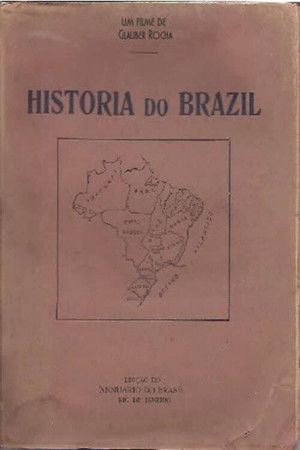
History of Brazil
Glauber Rocha1974-01-01
7.2
166 min
The film, created in exile from 1971 to 1973 between Cuba and Rome, is considered a "semi-finished" work by Glauber Rocha. It has a certain pedagogical character and seeks, through dialectical editing, to conduct a critical review of colonization, class struggle, messianism, and the establishment of populist governments in the Third World. There is a chronology in the events presented, which, supported by extensive iconography (films, engravings, photos, etc.), create "free" associations that allow the viewer a "polyphonic" view of the "History of Brazil."
Cast
| Name | Character | Team | |
|---|---|---|---|
 |
Jésus Histon | Self - Narrator | Unowned |
|
Emilio Garrastazu Médici | Self (archive) | Unowned |
|
Humberto de Alencar Castelo Branco | Self (archive) | Unowned |
 |
João Goulart | Self (archive) | Unowned |
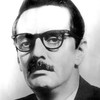 |
Jânio Quadros | Self (archive) | Unowned |
 |
Juscelino Kubitschek | Self (archive) | Unowned |
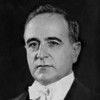 |
Getúlio Vargas | Self (archive) | Unowned |
 |
Fidel Castro | Self (archive) | Unowned |
 |
Che Guevara | Self (archive) | Unowned |
 |
John F. Kennedy | Self (archive) | Unowned |
|
Jirges Ristum | Unowned | |
 |
Richard Nixon | Self (archive) | Unowned |
|
Arthur da Costa e Silva | Self (archive) | Unowned |